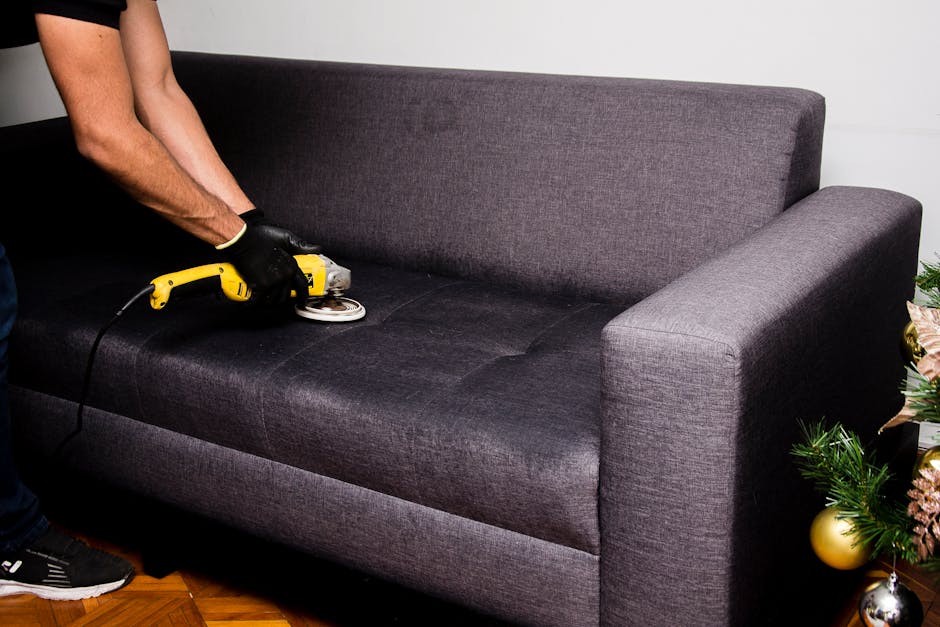
Islington N1 sofa cleaning times and booking tips
If you are trying to sort out Islington N1 sofa cleaning times and booking tips, you probably want two things at once: a clean sofa and a booking that does not swallow your whole day. Fair enough. In a place like Islington, where homes can be compact, schedules are tight, and the front door might open straight onto a busy street, timing matters just as much as the clean itself.
This guide walks you through how sofa cleaning appointments usually work in N1, what affects appointment length, how to choose a sensible slot, and the booking habits that save time, money, and a bit of stress. We will also cover what to prepare before the cleaner arrives, common mistakes people make, and when a deeper upholstery service makes more sense than a quick refresh.
Expert summary: The best sofa cleaning booking is rarely the fastest one on the calendar. The best one is the slot that fits your fabric type, access, drying needs, and the reality of your day. That simple, and yet it is the bit many people miss.
Table of Contents
- Why Islington N1 sofa cleaning times and booking tips Matters
- How Islington N1 sofa cleaning times and booking tips Works
- Key Benefits and Practical Advantages
- Who This Is For and When It Makes Sense
- Step-by-Step Guidance
- Expert Tips for Better Results
- Common Mistakes to Avoid
- Tools, Resources and Recommendations
- Law, Compliance, Standards, or Best Practice
- Options, Methods, or Comparison Table
- Case Study or Real-World Example
- Practical Checklist
- Conclusion
- Frequently Asked Questions
Why Islington N1 sofa cleaning times and booking tips Matters
Sofa cleaning sounds simple until you try to fit it around work calls, school runs, parcels, guests, or a flat where every room seems to double up as storage. In Islington N1, that juggling act is pretty normal. You might live in a townhouse with narrow stairs, a modern apartment with timed entry, or a converted flat where parking is a small adventure of its own. All of that affects the appointment.
The phrase "times and booking tips" matters because the cleaning itself is only part of the job. The real win is getting the booking right so the process runs smoothly from the first message to the final drying stage. If you book poorly, you can end up with a rushed clean, a sofa that stays damp too long, or a cleaner arriving when you are not ready. None of that is dramatic, but it is annoying. And annoying is enough.
There is also a practical money angle. A well-planned visit often avoids repeat callouts, extra waiting, or avoidable add-ons. If you already know your sofa material, stain type, and access situation, the cleaner can usually quote more accurately and plan the right method. That alone can save a lot of back-and-forth.
Local relevance matters too. In a busy part of North London, same-day or next-day appointments can fill quickly, especially around weekends, school holidays, and pre-event cleanups. If you are booking for a rented property, a family visit, or a deep refresh before rearranging the room, a little lead time helps more than people expect.
How Islington N1 sofa cleaning times and booking tips Works
Most sofa cleaning appointments follow a fairly predictable pattern. First comes the enquiry, then a brief assessment of the sofa type, and then a time slot based on the size of the job. After that, the cleaner arrives, checks the fabric, tests a small area if needed, pre-treats marks, performs the cleaning, and leaves the sofa to dry. Simple enough on paper. In real life, the schedule can flex a bit.
Cleaning time usually depends on a handful of practical details:
- Sofa size: a two-seater is quicker than a corner suite or a large modular setup.
- Fabric type: delicate upholstery may need slower, more careful treatment.
- Stain level: light surface dirt is one thing; set-in spills are another.
- Access: stairs, tight hallways, limited parking, or building entry rules can add setup time.
- Drying requirements: some methods leave the fabric drier than others, but drying still matters.
That last point is worth pausing on. Drying time is not the same as cleaning time. A sofa may be cleaned in an hour or two, but it may need longer before you can comfortably sit on it again. If you have a choice, book at a time when the room can be left relatively undisturbed afterwards. Friday evening sounds convenient until everyone wants the sofa back immediately and the cushions are still cool and damp. Not ideal.
Booking tips work best when you think in terms of readiness, not just date and clock time. A 9 a.m. visit is efficient if you are up early, have access sorted, and can ventilate the room. A late afternoon slot can suit some households better, especially if someone needs to be home after work. There is no perfect universal slot; there is only the one that fits your day.
If you are already arranging other cleaning work, it can make sense to look at broader services too. For a whole-home refresh, some people combine upholstery with deep cleaning or a broader domestic cleaning visit so the house feels properly reset, not just one sofa looking better than the rest.
Key Benefits and Practical Advantages
The obvious benefit is a cleaner sofa. The less obvious ones are often the more valuable ones. A well-timed cleaning can improve the feel of the whole room, make a rental property look more cared for, and help extend the usable life of the upholstery. Sofas take a beating, truth be told. Coffee, crumbs, pet hair, city dust, the occasional muddy sleeve after a wet commute - it all adds up.
Here are the main advantages people notice:
- Better appearance: colours look brighter and the fabric feels fresher.
- Reduced odours: everyday smells and trapped residues can be lifted out.
- More comfortable seating: fabric often feels softer once built-up grime is removed.
- Improved hygiene: regular cleaning helps manage allergens, dust, and general dirt.
- Longer furniture life: maintaining upholstery helps reduce wear from embedded grit.
There is a practical scheduling benefit too. If you book at the right time, you can avoid turning one service into a whole-day disruption. That means less moving furniture around twice, less waiting by the window for a van that cannot find parking, and less rearranging the kids' routines. Small thing, big difference.
For people comparing service types, upholstery cleaning can be a smarter choice than replacing a sofa that still has a solid frame and decent cushions. If the issue is surface soiling, spills, body oils, pet marks, or stale smell, professional upholstery cleaning is often the most sensible route. If the sofa is only one part of a larger refresh, pairing it with carpet cleaning can make the room feel newly opened up. You notice the difference when you walk in.
Who This Is For and When It Makes Sense
This guide is for anyone in Islington N1 who needs a sofa cleaned without turning the booking into a guessing game. That includes tenants, landlords, homeowners, busy professionals, families with young children, pet owners, and people preparing a property for visitors or a move. If your sofa is part of a room you use every day, timing becomes part of the job.
It makes particular sense if:
- your sofa has visible marks, but the fabric is still in good condition
- you are trying to fit cleaning around work, childcare, or limited home access
- you want to avoid the drying problems that come from poor scheduling
- you are comparing cleaners and want to know what to ask before booking
- you need the room looking presentable before guests, photos, or tenancy checks
It is also useful if you are not quite sure whether you need a full professional clean or just a light freshen-up. Sometimes people assume a sofa is beyond help when really it just needs the right method and a sensible appointment window. Other times, to be fair, the upholstery has simply reached the point where a quick clean is not enough and a more detailed treatment is the better call.
If your property is part of a larger routine, you may also want to look at one-off cleaning or even end-of-tenancy cleaning if you are preparing to hand the place over. The sofa does not exist in isolation; the room tells the story.
Step-by-Step Guidance
Here is the practical way to book sofa cleaning in N1 without unnecessary faff.
- Identify the sofa type. Note the material, number of seats, and whether it is a standard sofa, corner unit, chaise, recliner, or modular piece. If you do not know the fabric, say so. Better honest than guessing.
- Look at the condition. Mention stains, odours, pet hair, water marks, and any previous cleaning attempts. A cleaner does not need a novel, just the useful bits.
- Check access. Tell them about stairs, lift access, parking restrictions, and entry procedures. In some Islington streets, parking is the whole story.
- Ask about time estimates. A cleaner should be able to explain roughly how long the appointment will take and how long drying may take afterwards.
- Pick a realistic slot. Choose a time when you can stay available, avoid heavy foot traffic, and ventilate the room if needed.
- Prepare the room. Move small items, clear cushions and throws, and make sure the cleaner has space to work.
- Confirm the method. Ask what cleaning process suits your upholstery. Steam, hot water extraction, low-moisture methods, and dry approaches all have different strengths.
- Plan for aftercare. Leave the sofa alone for the recommended drying period, and resist the urge to test it every ten minutes. That temptation is real.
A simple way to think about it: the better the information you provide at booking, the smoother the visit tends to be. Cleaners can plan better, you get a more accurate appointment window, and the final result is usually more predictable.
One small tip that helps in practice: take a few photos before you book. A picture of the sofa, a stain, or the room layout can save a surprising amount of time in the quoting stage. Not glamorous, but it works.
Expert Tips for Better Results
If you want the clean to go well, timing and preparation matter more than people realise. A lot of the improvement comes from simple, unflashy habits.
- Book before the sofa looks desperate. Waiting until spills have set deep into the fabric makes removal harder. Earlier is easier.
- Choose a dry-weather window if possible. You cannot control London weather, obviously, but a day with better airflow helps with drying.
- Give access details upfront. A cleaner arriving at a locked gate or an unannounced security desk is a waste of everybody's morning.
- Ask for the expected drying range. You do not need exact science, but you do need a sensible estimate.
- Be honest about past treatments. If you used a supermarket stain spray, mention it. Some products leave residues that affect cleaning.
In our experience, people often understate how much time they need after the clean. They book the appointment and then realise they wanted the sofa ready for an evening film, a family meal, or an early visitor. A bit awkward. If the sofa is in the main living room, treat the drying period as part of the appointment, not an optional extra.
Another useful trick is to schedule sofa cleaning on a day when you are already home for something else. That way the visit feels like part of the day rather than a separate disruption. A quiet Tuesday morning can be better than a squeezed Saturday afternoon, even if Saturday looks more convenient on paper.
If the rest of the room also needs a lift, it can be worth asking about rug cleaning or oven cleaning as part of the same wider refresh. Not because you need to do everything at once - you do not - but because some homes work better when the cleaning is coordinated.
Common Mistakes to Avoid
Most booking problems are avoidable. Here are the ones that crop up again and again, usually at the least convenient moment.
- Booking without checking fabric type. Some materials need careful handling. If in doubt, ask before you choose a method.
- Assuming all appointments take the same time. A small loveseat and a large sectional are not the same job.
- Forgetting about drying time. This is probably the biggest mistake. The clean is not finished the second the machine switches off.
- Not mentioning stains early. Hidden issues can change the treatment plan.
- Ignoring access or parking. A strong cleaner still needs a way in, and yes, the street outside matters.
- Choosing the cheapest slot without asking questions. Low price is not the only thing that counts. It rarely is.
People also sometimes over-clean a sofa between professional visits. A little vacuuming is fine. Aggressive scrubbing, however, can damage fibres or push a spill deeper into the fabric. That is where DIY confidence meets an expensive lesson. Not ideal, really.
If you have pets or small children, another common mistake is waiting until a sofa has multiple issues at once. Mud, crumbs, and one suspicious patch in the armrest. It all builds up. If you catch problems early, the visit is easier and the result is usually better.
Tools, Resources and Recommendations
You do not need a lot of equipment to prepare for sofa cleaning, but a few basic things make the day run more smoothly.
- Vacuum cleaner: useful for removing loose dust and crumbs before the appointment.
- Soft brush attachment: helps lift surface debris from seams and cushions.
- Microfibre cloths: handy for blotting small spills gently, if needed before the visit.
- Notebook or phone notes: good for keeping fabric details, stain history, and access instructions together.
- Ventilation plan: open windows if weather allows, and make room for airflow.
For people comparing services, it can help to look at the provider's wider cleaning offer. A company with an established upholstery service alongside cleaners for general maintenance, office cleaning for commercial spaces, and about-us information that clearly explains their approach is often easier to assess than one that is vague about everything. Clear communication is a good sign. Always has been.
It is also worth reading practical pages about pricing and quotes, insurance and safety, and health and safety policy if you want a better feel for professionalism before you book. Those pages do not clean the sofa for you, of course, but they do help you judge how the service is run.
Law, Compliance, Standards, or Best Practice
For sofa cleaning in a home, the main compliance issues are usually practical rather than legal. You are mainly looking at safe working, reasonable access, careful handling of fabrics, and clear communication about what will and will not be done. In UK domestic settings, the sensible expectation is that cleaning is carried out with care, that any chemicals are used appropriately, and that the cleaner explains any known risks to delicate materials.
If you live in a flat, a managed building, or a property with shared areas, best practice is to check building access rules before the appointment. That can include entry times, lift use, parking arrangements, and any quiet-hour expectations. None of this is glamorous, but it keeps the visit smooth.
There is also a basic safety angle around ventilation and drying. If a cleaning method leaves the upholstery damp, good airflow matters. You should avoid sitting on the sofa too soon or covering it with throws that trap moisture. That is simple common sense, but it is worth saying because people sometimes forget in the rush.
If the cleaner uses any strong products, they should be able to explain them in plain English. A trustworthy approach is calm and direct: what was used, why it was used, and what you should do next. No mystery, no drama. If a service page such as payment and security or terms and conditions is available, that can also help you understand how the business handles bookings, payments, cancellations, and responsibilities.
Options, Methods, or Comparison Table
Different sofas and different schedules suit different cleaning approaches. Here is a straightforward comparison to help you decide what feels right for your situation.
| Method | Best for | Typical booking advantage | Things to watch |
|---|---|---|---|
| Hot water extraction | General deep cleaning, embedded dirt, heavy use | Strong refresh for family sofas and busy homes | Can mean longer drying time |
| Low-moisture cleaning | Faster turnaround, lighter maintenance cleans | Useful when you need the room back sooner | May be less aggressive on deep-set stains |
| Dry cleaning method | Delicate fabrics or moisture-sensitive upholstery | Can suit sensitive materials and tighter schedules | Not always the best choice for heavy soiling |
| Spot treatment only | Small isolated marks | Quick and targeted if the rest of the sofa is fine | May not improve the overall appearance much |
The right option depends on what your sofa actually needs. If it is a day-to-day family piece with spills and dust, a fuller clean is often the better investment. If the upholstery is delicate or you need a short turnaround, a gentler method may be more suitable. And yes, it sometimes comes down to the room being used for a dinner party that evening. Life happens.
Case Study or Real-World Example
A typical Islington N1 booking might look like this. A couple living near Angel notices that their three-seater sofa has started to look tired, mainly from daily use, a few tea marks, and pet hair in the cushions. They both work from home part of the week, so they want an appointment that does not interrupt meetings or leave the room unusable all day.
Instead of asking for the earliest available slot, they choose a late-morning weekday booking. Why? Because they can clear the room before lunch, answer the door without rushing, and open the windows for drying while they work in another room. The cleaner arrives, checks the fabric, gives a realistic estimate for the clean, and explains the likely drying window. No stress. No need to reschedule around a delivery driver or a school run.
They also mention the small stain near one arm and the fact that a fabric spray was used a few months earlier. That detail matters. It helps the cleaner choose the safest treatment and prevents any awkward surprises midway through the job. The sofa is cleaned, the room smells fresher, and by the evening the fabric feels far better than it did in the morning.
That kind of appointment works because the booking matched the household rhythm. Not fancy. Just sensible.
Practical Checklist
Use this quick checklist before your sofa cleaning appointment in N1.
- Confirm the sofa size, style, and fabric type
- List any stains, odours, pet issues, or previous spot treatments
- Share access details, entry codes, parking notes, and lift information
- Ask how long the cleaning should take
- Ask how long drying is likely to take
- Move small items, cushions, throws, and breakables
- Vacuum loose crumbs and dust if time allows
- Decide which room the family or housemates can use while the sofa dries
- Check whether windows can be opened safely for airflow
- Keep your phone handy in case the cleaner needs a quick clarification
If you can tick most of those off, you are in a very good place. Honestly, that is half the job done already.
Conclusion
Booking sofa cleaning in Islington N1 works best when you treat timing as part of the service, not a background detail. Choose a slot that suits the room, the fabric, the drying period, and your own schedule. Share the useful information early, ask clear questions, and avoid the temptation to squeeze a cleaning into a too-tight window just because it is available.
When you do that, the whole process becomes easier. The cleaner can plan properly, your sofa gets the right treatment, and you spend less time waiting around wondering whether you should have booked tomorrow instead of today. A tidy booking is a calmer booking. Simple as that.
Get a free quote today and see how much you can save.
And if you are still comparing options, take your time. A sofa is something you live with every day, so it is worth getting the booking right. Once it is fresh, clean, and properly dry, the room just feels better. You notice it the moment you sit down.
Frequently Asked Questions
How long does a sofa cleaning appointment usually take in Islington N1?
It depends on the sofa size, fabric type, and how soiled it is. A smaller sofa may be cleaned fairly quickly, while a larger sectional or heavily marked piece takes longer. Drying time is separate, so allow for that too.
What is the best time of day to book sofa cleaning?
Morning appointments are often easiest because they leave more time for drying and airing the room. That said, the best slot is the one that fits your household and gives you enough space afterwards. There is no magic answer, annoyingly.
Should I vacuum the sofa before the cleaner arrives?
Yes, if you can. A quick vacuum removes loose dust, crumbs, and pet hair, which helps the cleaner focus on the deeper dirt. It is a small step, but it makes the visit smoother.
How far in advance should I book sofa cleaning in N1?
If your schedule is flexible, a few days' notice is usually sensible. For weekends, busy periods, or pre-event cleaning, earlier is better. Short-notice slots can be available, but they are not something to rely on.
Do I need to move furniture before the appointment?
You usually only need to clear the immediate area and remove small items, cushions, and fragile objects. If larger furniture blocks access, mention it during booking so the cleaner knows what to expect.
Will the sofa be usable straight after cleaning?
Usually not immediately. The fabric often needs time to dry properly before normal use. The exact time depends on the method used, airflow, and room conditions. It is best not to rush this part.
What if my sofa has an old stain that I have already tried to clean?
Tell the cleaner exactly what was used and when. Some household products leave residues or affect the fabric, so being honest helps the cleaner choose the safest approach. No judgement, just useful information.
Is upholstery cleaning different from carpet cleaning?
Yes. Both remove dirt, but upholstery cleaning is tailored to fabrics, seams, cushions, and furniture structure. Carpet cleaning uses different techniques and equipment, even if some methods sound similar.
Can sofa cleaning help with pet smells?
Often, yes. Professional upholstery cleaning can reduce trapped odours, especially when the smell is coming from everyday use, pet hair, or surface contamination. Very strong or deep-set odours may need a more detailed treatment.
What should I ask before I confirm the booking?
Ask about the estimated appointment time, drying time, fabric suitability, access needs, and whether any stains need special treatment. Those questions keep the booking realistic and reduce surprises on the day.
Is it worth combining sofa cleaning with other services?
Sometimes, yes. If the room also needs carpets, rugs, or a wider refresh, combining services can be more efficient. It can also make the home feel properly reset instead of halfway done.
How do I know if I need a deep clean rather than a quick refresh?
If the sofa has visible grime, repeated spills, odours, or dullness across most of the fabric, a deeper clean usually makes more sense. If it is just a light top-up between more thorough visits, a gentler service may be enough.